Overlanding
Overlanding essentials: roof racks, rooftop tents and fridges
Three purchases define most overland builds. Get them right and a classic 4x4 becomes a comfortable home for weeks. Get them wrong and you carry a lot of expensive weight around.
Disclosure: this article contains affiliate links. If you buy through them, The Reserve Collection may earn a commission at no extra cost to you. It never changes what we recommend. Read our full disclosure.
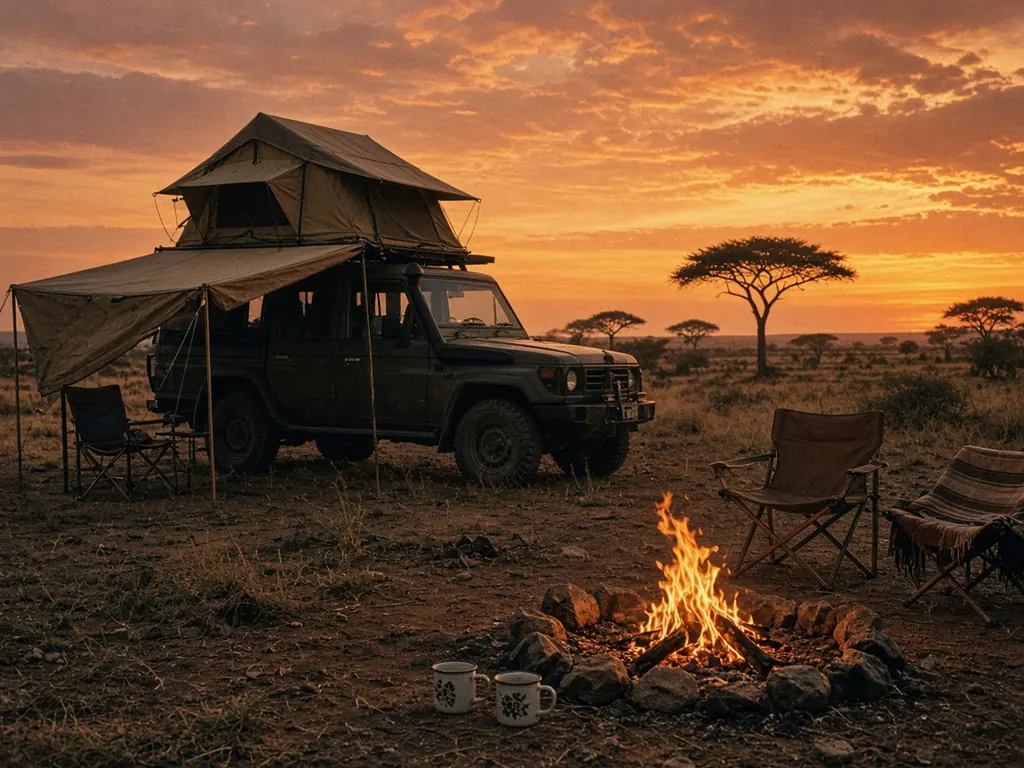
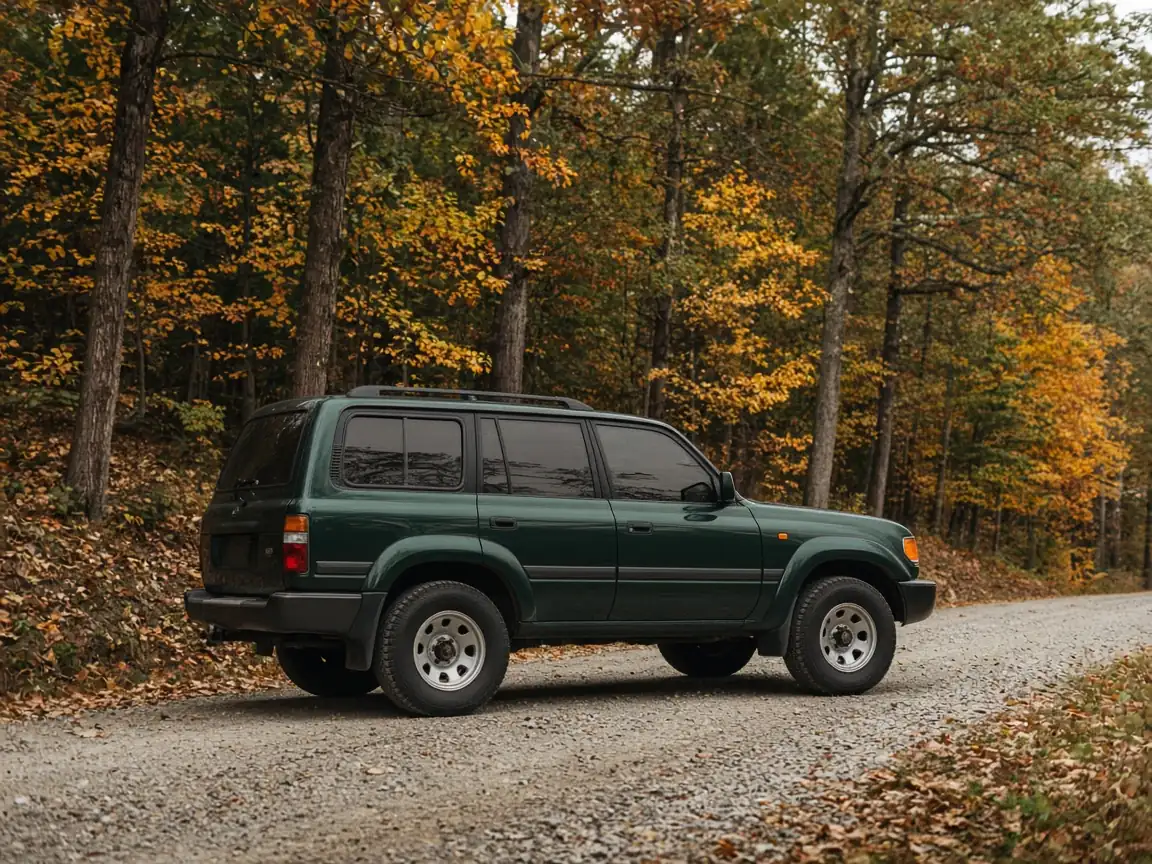
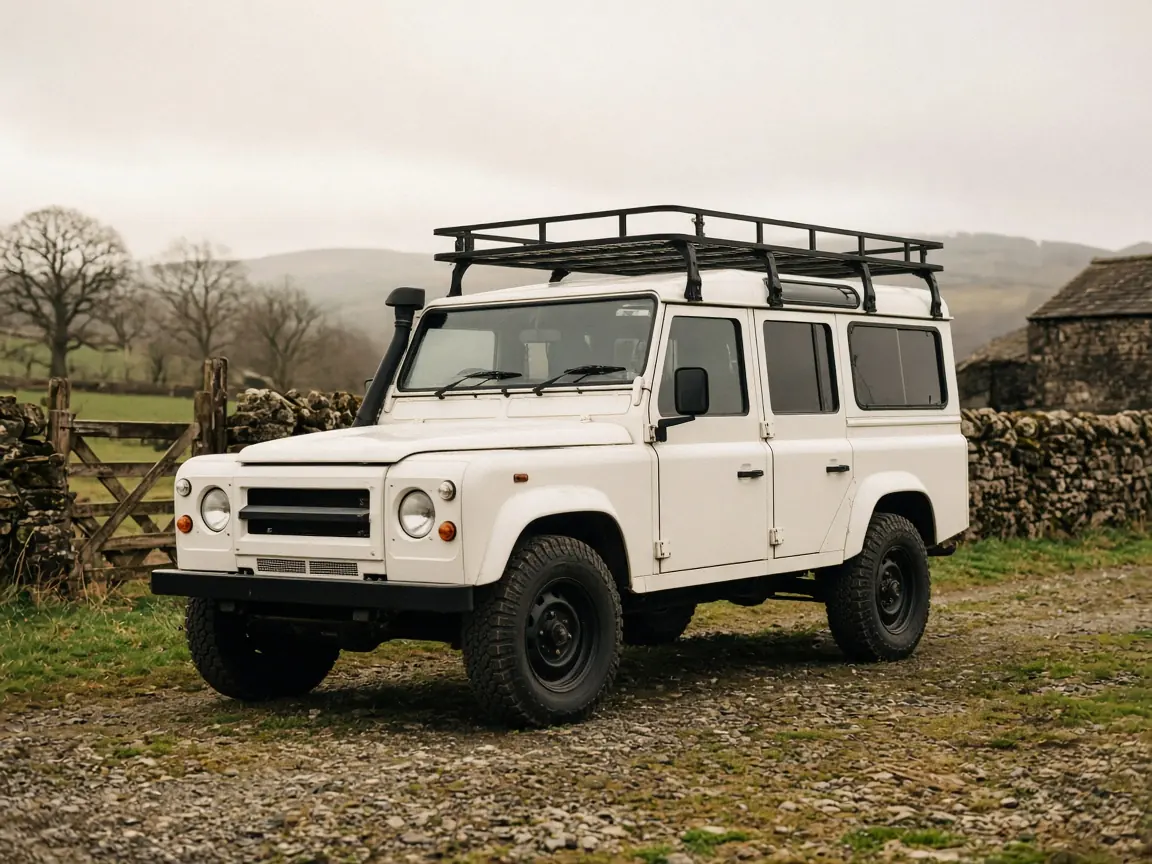
Overlanding means self-reliant travel by vehicle, usually over long distances and often through remote terrain, where the journey matters as much as the destination. For owners of a classic Land Cruiser, Defender or G-Wagon, three purchases define most builds: the roof rack, the sleeping system and the 12-volt fridge. Each one is expensive, each affects the vehicle’s weight and handling, and each is hard to change once it is installed. This guide explains how to choose them well.
Start with weight
Every classic 4x4 has a gross vehicle weight rating, the maximum it is designed to weigh fully loaded, and a roof load rating set by the manufacturer. Exceeding either affects braking, handling, component life and, in many places, legality and insurance. Before you buy anything, find out what your vehicle weighs empty and what the ratings allow. A public weighbridge is the most reliable way to do it.
The roof deserves special attention. Manufacturers usually quote a dynamic roof load, meaning the weight the roof can carry while driving, which is much lower than the static load it can support when parked. A rooftop tent with people in it is a static load; the tent alone on a rough road is a dynamic one. Older vehicles may have conservative ratings, and racks that mount to gutters or roof rails have their own limits.
Roof racks
Types
- Full-length platforms: flat, versatile and modular, with accessories for jerry cans, recovery boards, awnings and tents.
- Baskets: traditional and rugged-looking, but usually heavier and less flexible.
- Crossbars: light and simple, and sometimes enough for a tent alone.
Mounting
Classic vehicles often mount racks to rain gutters (the Defender and G-Wagon) or to factory roof rails. Vehicle-specific mounting kits spread loads correctly and avoid damaging the body. On a Defender, many racks mount to the body sides or the gutters; check what your rack requires and whether reinforcement is needed.
What to look for
Low weight, a low profile to reduce wind noise and fuel consumption, a mounting system designed for your vehicle, and a range of accessories that suits how you travel. Aluminium construction saves weight compared with steel.
We recommend Front Runner’s Slimline II platform as a versatile, comparatively light rack with mounting kits for all three of our vehicles. The Rhino-Rack Pioneer platform is another strong option with a large accessory ecosystem.
Sleeping systems
Rooftop tents
Rooftop tents keep you off the ground, away from water and wildlife, and are fast to set up. Hard-shell tents open in a minute or two and are more aerodynamic; soft-shell tents are usually lighter and cheaper, and often have more floor space. Both add weight high on the vehicle, which affects handling, and both must be packed away before you can drive anywhere, even to the shop.
Check the tent’s weight against your roof’s dynamic rating, including the rack. A hard-shell such as the iKamper Skycamp is popular for families and quick camps, but it is not light; make sure your roof and rack are rated for it.
Ground tents and sleeping inside
A good ground tent is lighter, cheaper and keeps weight off the roof. On a Land Cruiser wagon or Defender 110, sleeping inside on a platform can be an excellent option for solo travellers or couples, especially in cold or bad weather. Do not dismiss simple solutions.
Awnings
A side or 270-degree awning provides shade and shelter. It is one of the most used accessories on any overland vehicle. Mount it securely to the rack and always use guy ropes in wind.
Fridges
A 12-volt compressor fridge is one of the most transformative purchases for longer trips. It keeps food and drinks cold reliably without ice, and it uses less power than the thermoelectric coolers it replaced.
Size
Around 40 to 50 litres suits most couples on trips of a week or so. Dual-zone models let you run a freezer and fridge at the same time. Bigger is not always better: larger fridges weigh more, use more power and take up more space.
Mounting
Mount the fridge securely. A fridge slide makes access easier, and proper tie-downs are essential, since a loose fridge is dangerous in a crash.
What to look for
Efficient compressor operation, good insulation, low-voltage protection to avoid draining your starter battery, and durable construction. Dometic’s CFX3 range is an efficient, well-proven choice with app monitoring. If you prefer an integrated system, the ARB Zero dual-zone fridge-freezer is built to work with ARB’s slides and tie-downs.
Power: the system behind the fridge
A fridge needs reliable power. The usual solution is a dual battery system: an auxiliary battery charged by the alternator through a DC-DC charger, with a battery isolator or the charger’s logic protecting the starter battery. Lithium iron phosphate batteries are lighter and can be discharged more deeply than lead-acid batteries, but they need compatible charging equipment. Solar panels or portable blankets extend time off grid.
Classic vehicles often have older alternators and wiring that were never designed for continuous accessory loads. Use appropriately sized cable, fuse every circuit close to the battery, and consider upgrading the alternator if your demand is high.
Water, recovery and the rest
Carry enough water for your trip plus a safety margin; jerry cans or an under-floor tank keep the weight low. Pack recovery equipment and know how to use it. Keep a first-aid kit, a fire extinguisher and a means of communication in remote areas, such as a satellite messenger.
Common mistakes
- Exceeding the roof’s dynamic load rating with a heavy rack and tent.
- Carrying heavy items high and at the back of the vehicle.
- Choosing a fridge that is too big for the power system.
- Skipping the weighbridge after building the vehicle.
- Buying everything before taking a single trip; real experience tells you what you actually need.
A sensible build sequence
- Make sure the vehicle is mechanically sound.
- Upgrade tyres and suspension for the expected load.
- Add recovery equipment.
- Choose a sleeping system and a rack suited to your roof rating.
- Add a fridge and a dual battery system.
- Take short trips and refine.
For vehicle-specific advice, read our Land Cruiser accessories guide, our Defender suspension guide and our custom G-Wagon parts guide. To source racks and fittings, browse roof racks or send us a custom request.
Related